


Skin Pigmentation Treatment Liverpool
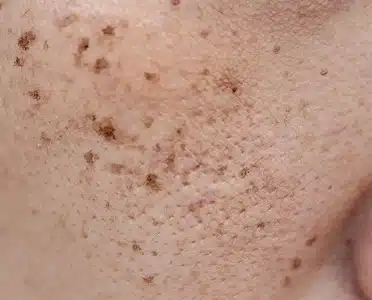



About Skin Pigmentation Treatment Liverpool
Skin pigmentation treatment in Liverpool is delivered at Aesthetics of the Royal Liver Building, a medically led clinic based within the Royal Liver Building and serving patients across Liverpool, Merseyside, Wirral, Cheshire, and the wider North West. Pigmentation concerns are among the most complex skin conditions to treat successfully because they are driven by multiple underlying factors rather than a single visible problem.
Conditions for Skin Pigmentation Treatment Liverpool
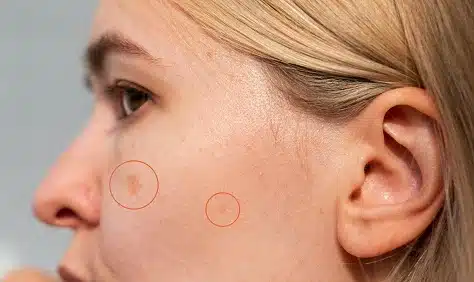
What Causes Skin Pigmentation
Different pigmentation types behave differently. Sun induced pigmentation and age spots are often superficial and respond well to specific treatments. Melasma and post inflammatory hyperpigmentation tend to be deeper, more reactive, and prone to recurrence if treated incorrectly.
Understanding the cause and depth of pigmentation is the foundation of effective treatment.
Types of Pigmentation We Commonly Treat
Melasma treatment UK patients require is particularly nuanced. Melasma is hormonally influenced and heat sensitive, which means aggressive treatments can worsen it. A cautious, layered approach is essential.
Post inflammatory hyperpigmentation is common after acne, procedures, or trauma. Treating this safely requires control of inflammation alongside pigment reduction.
Why Over The Counter Products Often Fail
Some products temporarily lighten pigmentation but do not stabilise pigment pathways. Once treatment stops or the skin is exposed to sunlight or heat, pigmentation often returns.
Medical pigmentation treatments Liverpool patients receive are designed to work at the correct depth, address triggers, and reduce the risk of rebound pigmentation.
How We Assess Pigmentation Properly
Not all pigmentation should be treated with laser. In some cases, laser pigmentation treatment can worsen melasma or cause post inflammatory hyperpigmentation if used incorrectly. This is why device choice and treatment sequencing are critical.
Treatment plans are tailored rather than standardised. This approach protects skin health and improves long term outcomes.
Medical Pigmentation Treatment Options
Laser pigmentation treatment is effective for certain sun induced pigmentation and age spots removal Liverpool patients commonly request. However, laser is used cautiously for melasma and darker skin tones.
Chemical peels can improve uneven skin tone and superficial pigmentation when used in a controlled medical setting. Overuse or aggressive peels increase the risk of rebound pigmentation and skin barrier damage.
What Results Can You Expect And When
Pigmentation removal before and after results vary depending on the condition being treated. Some superficial pigmentation can improve within weeks. Deeper or hormonally driven pigmentation often improves gradually over several months.
Pigmentation treatment recovery depends on the modality used. Some treatments cause minimal redness for a day or two. Others may involve peeling, sensitivity, or downtime for up to one or two weeks.
The goal is steady, controlled improvement rather than rapid lightening that destabilises pigment pathways.
Can Pigmentation Come Back
Strict sun protection, appropriate skincare, and avoidance of known triggers are essential. Maintenance treatment plans are designed to stabilise results and reduce recurrence risk.
Why Medical Oversight Matters
Pigmentation treatment is one of the areas where inappropriate treatment causes the most harm. Over aggressive laser use, incorrect peel selection, or poor aftercare can worsen pigmentation permanently.
Receiving skin pigmentation treatment in Liverpool within a medically led clinic ensures that decisions are based on skin biology, not device availability. This protects patients and improves outcomes.
Patients travel to our Royal Liver Building clinic from across the North West because complex pigmentation cases are assessed carefully and treated conservatively when required.